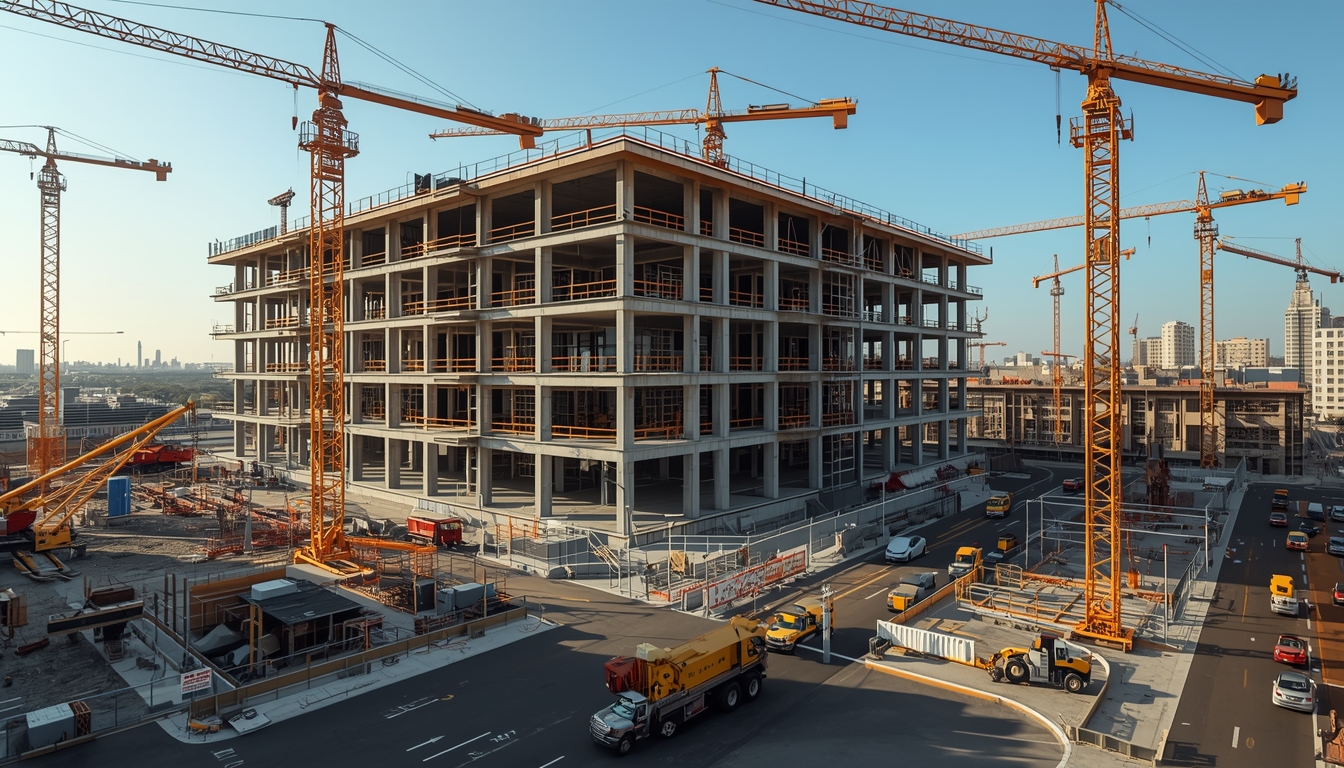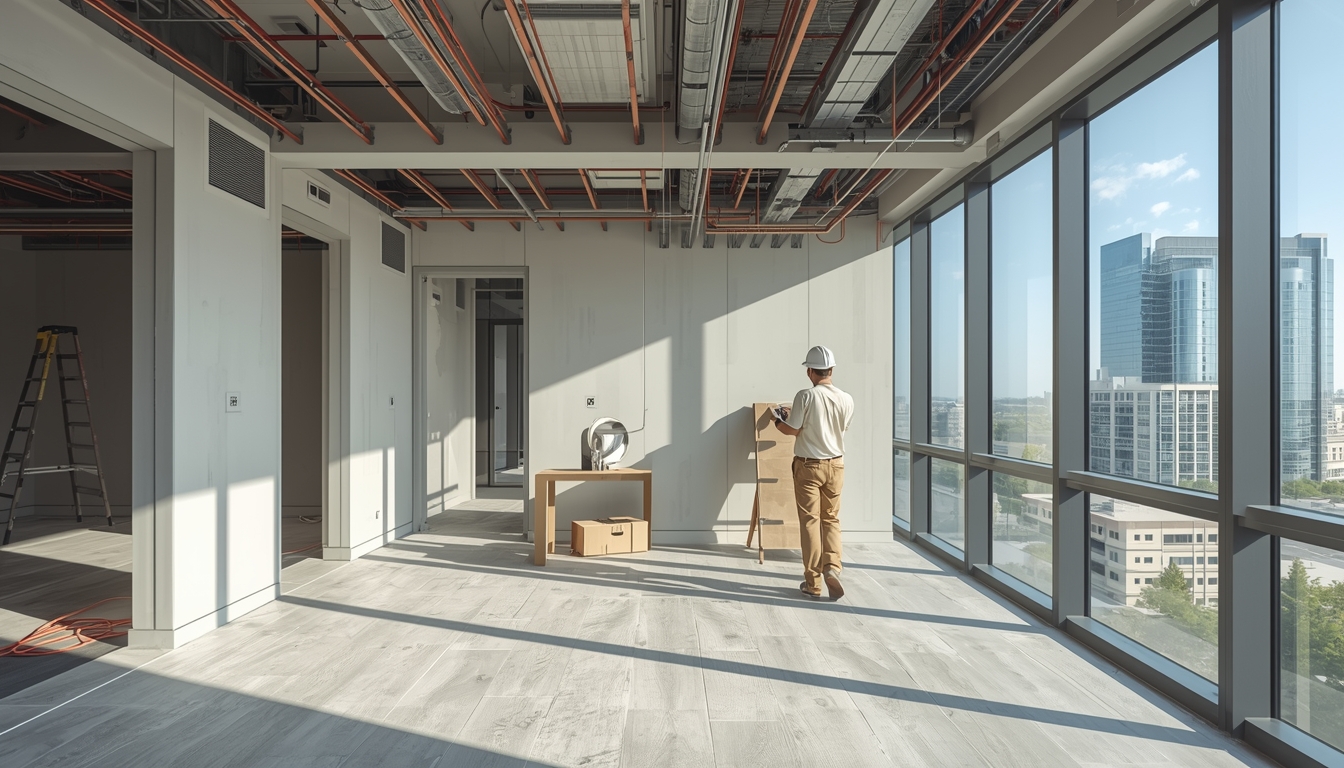
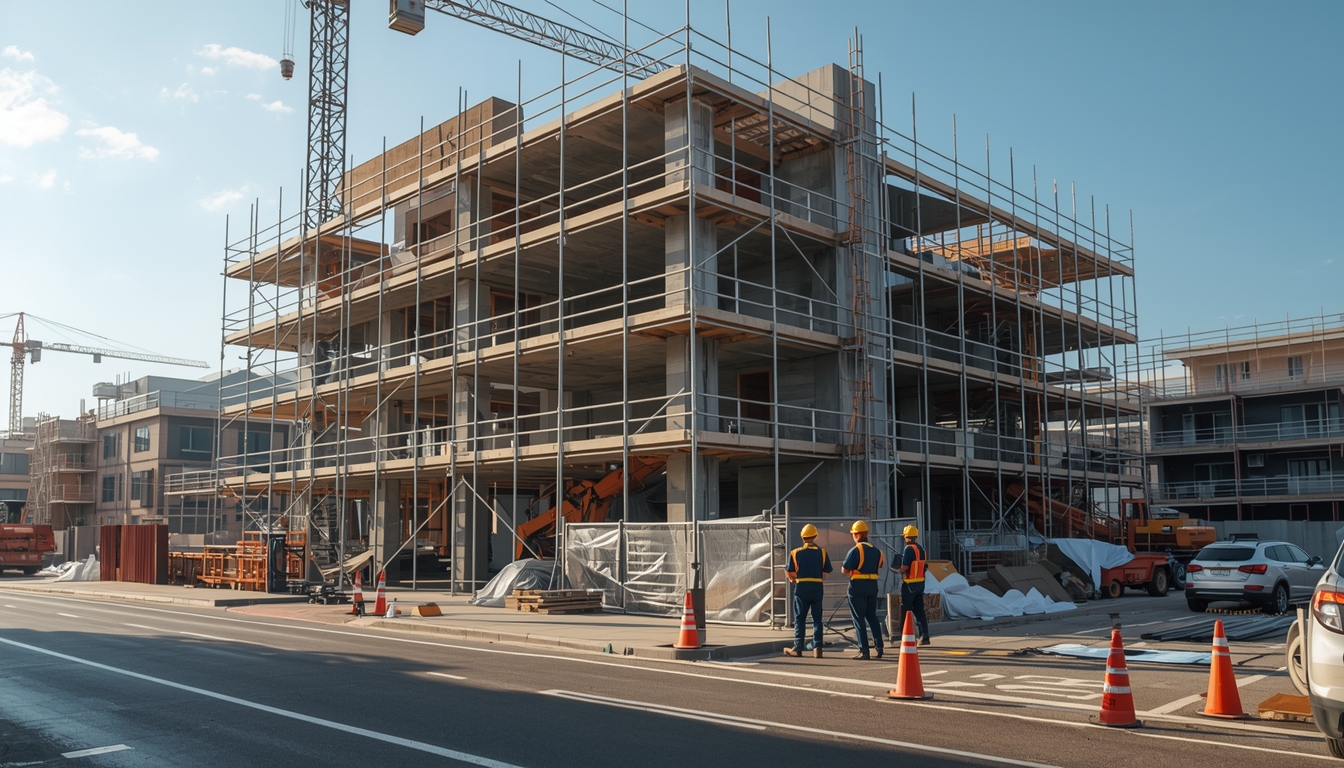
Reconstruction is more than repairing walls or updating finishes — it’s about improving the performance, functionality, and long-term value of a structure. Whether you’re upgrading a residential property or modernizing a commercial building, proper planning determines the success of the entire project.
1. Start with a Structural Assessment

Before any work begins, conduct a detailed structural evaluation. This helps identify load-bearing elements, foundation conditions, moisture issues, and outdated systems. Skipping this step can lead to unexpected costs later.
A professional assessment ensures:
- Structural integrity
- Code compliance
- Accurate budgeting
- Realistic timelines
2. Define Clear Objectives
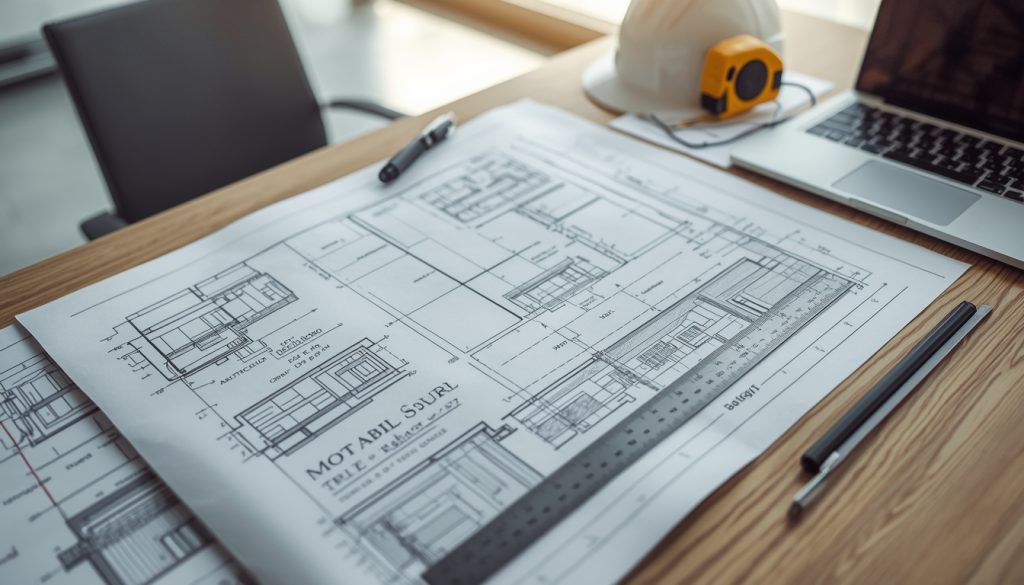
Are you renovating for aesthetics, energy efficiency, resale value, or structural upgrades? Clear goals guide every decision — from materials to layout adjustments.
Reconstruction projects often include:
- Layout reconfiguration
- Electrical and plumbing upgrades
- Energy-efficient insulation
- Facade improvements
- Roofing replacement
3. Budget Smart — Plan for Contingencies
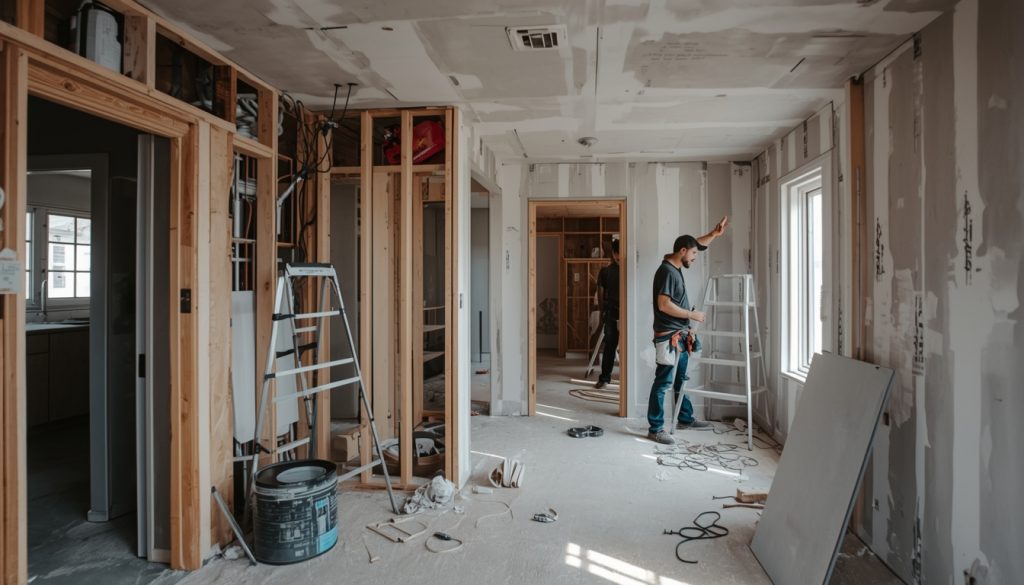
Even the most organized reconstruction projects encounter surprises. Allocate at least 10–15% of your budget for contingencies. Hidden damage, outdated wiring, or foundation adjustments can affect costs.
4. Choose the Right Construction Partner
Experience matters. A reliable construction team coordinates contractors, manages timelines, and ensures work meets modern standards.
Reconstruction isn’t just repair — it’s transformation. With the right planning and execution, an old structure can perform like new.